
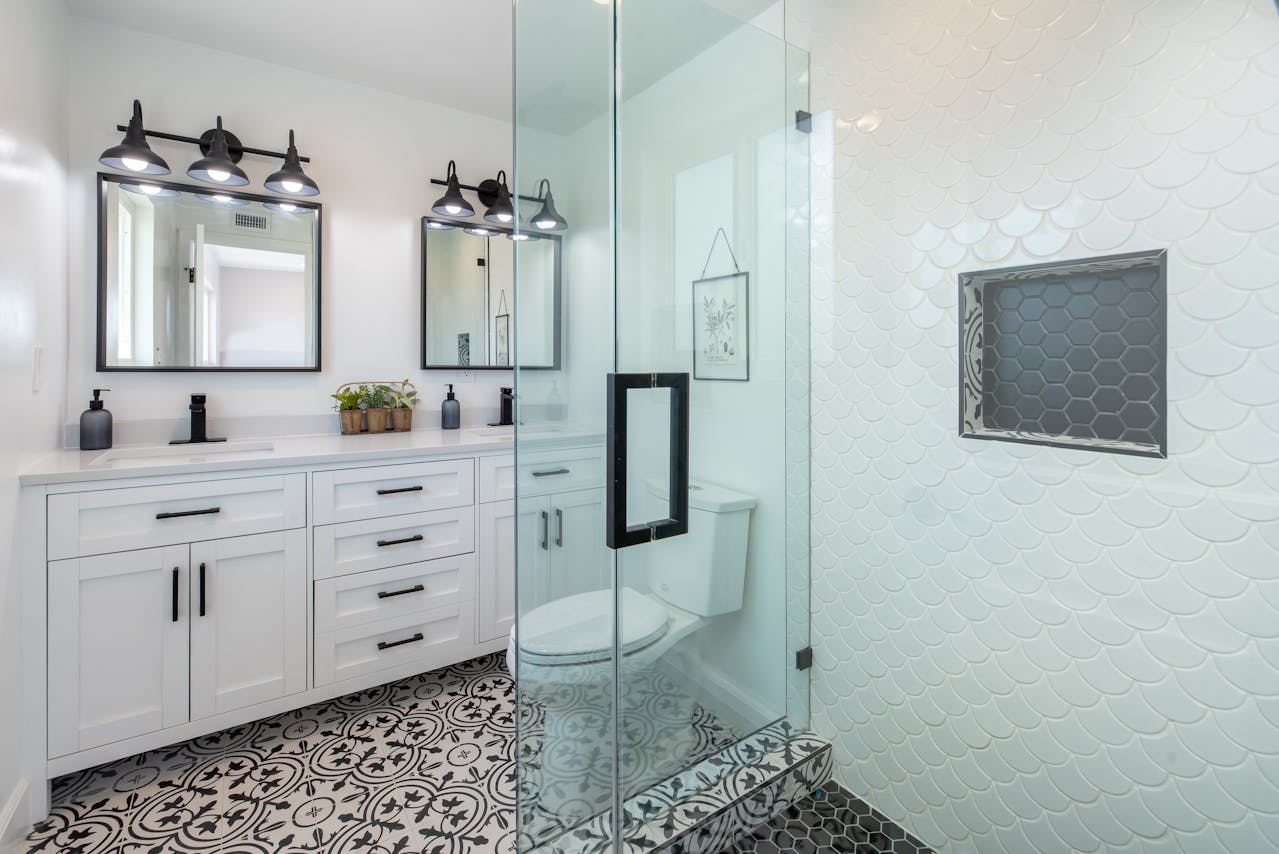
Most bathroom remodels take about three to four weeks of hands-on work once the crew starts. A small refresh can wrap up in two weeks, while a full remodeling that changes the layout or moves the plumbing can run four to six weeks or longer.
Quick answer
Here's how it breaks down by the type of bathroom you have — these cover the actual work once your materials are on site. Planning and ordering happens before this and can add weeks of its own.
| Type of Bathroom | Typical hands-on time |
|---|---|
|
Powder room / half bath (sink & toilet) |
1–2 weeks |
|
Small full bath refresh (same layout) |
2–3 weeks |
|
Standard full bathroom (tile, tub/shower, vanity) |
3–4 weeks |
|
Master bath or layout change (moving plumbing) |
4–6 weeks+ |
One thing to know up front: these numbers cover the actual work once your materials are on site. The planning and ordering that happens before anyone picks up a tool can add weeks on its own — and that’s the part most homeowners don’t see coming. We’ll cover all of it below, including a few real-world examples so you can find the one closest to your own project.
What's in this guide
- Three real timelines
- The stages, in order
- What takes the longest
- Does your home's age matter
- Does the season matter
- Decide before you start
- Using your bathroom
- FAQ
Three Real Bathroom Remodel Timelines
The fastest way to picture your own project is to look at three common ones. Most bathrooms fall somewhere between these.
A Powder Room
A powder room, or half bath, is the smallest project on the list. There’s no shower or tub, so the slow, water-related steps mostly disappear.
Day one is protecting the space and tearing out the old sink, toilet, and flooring. The next day or two handles any small plumbing or wiring changes. Then the walls get patched and painted, new flooring goes down, and the new vanity, toilet, and light fixtures go in. A day of trim and final touches wraps it up. Because there’s no tile shower to build, a powder room moves quickly — most are finished inside two weeks, and a simple one in a little over a week.
A Standard Hall Bathroom
This is the most common remodel: the everyday family bathroom with a tub-shower combination, a vanity, and tile.
The first week is the rough work — protecting the home, tearing out the old bathroom, and putting the new water lines and wiring in place inside the open walls. If your town requires a permit, an inspector checks that hidden work before anything gets closed up. The second week is sealing and waterproofing the walls and floor, then starting the tile. The third week is mostly tile finishing, followed by the fixtures — vanity, tub or shower, toilet, sink, and lights — and then paint, trim, and a final walkthrough. Three weeks is a realistic expectation for a bathroom like this, give or take a few days depending on how much tile is in the design.
A Master Bathroom
A master bath is bigger, has more tile, and often includes a separate tiled shower and tub. Sometimes the layout changes too, which means moving plumbing — and that adds time.
The early weeks look like the standard bathroom, just with more of everything. The real difference shows up in the tile stage. A large master bath with a custom tiled shower can take well over a week of tile work alone, because every piece is set by hand and the detailed shower work is slow by nature. Add in the second sink, the extra fixtures, and the finishing, and a master bath comfortably fills five to six weeks. Fully custom ones run longer.
The Stages of a Bathroom Remodel, in Order
Whatever the size, the order of a remodel can’t really change — and that’s worth understanding, because it’s why the timeline is what it is. You can’t tile until the walls are sealed and waterproofed. You can’t set the vanity until the floor is done. Each stage waits on the one before it. Here’s the full sequence with realistic time ranges.
Protecting the space
About half a day to a day. Before anything gets torn out, a good crew seals off the work area so dust and debris don't spread through the rest of your home. Floors get covered and doorways get sealed.
Tear-out
One to two days. The old bathroom comes out: fixtures, tile, and anything being replaced. This step is faster than people expect — it's loud and messy, but it's quick.
The work inside the walls
One to three days. New water lines, drains, and wiring go in while the walls are open. This is the foundation of the whole project, so the crew takes its time here even though you won't see the results.
Inspection
About a day. If your town requires a permit, an inspector checks the hidden work before the walls are closed. The check itself is quick, but scheduling it can add a day or two of waiting depending on your local office.
Closing & waterproofing
Two to three days. The walls get sealed back up, and waterproofing goes in around the shower and on the floor. This step protects everything behind the tile, so it's not one to rush.
Fixtures
2–3 days — vanity, tub or shower, toilet, sink, faucets, and lights.
Tile
Three to seven days. This is almost always the longest stage. Tile has to be set, then left to firm up, then grouted between the seams. Smaller tiles and detailed shower work take the most time. If your design has a lot of tile, this is the part most likely to stretch.
Paint, trim & walkthrough
One to two days. The finishing touches: trim, paint, and a careful walk through the room to catch any small fixes before it's handed back to you.
Which Parts Take the Longest?
Here’s something that surprises a lot of homeowners: the demolition everyone pictures — the sledgehammer, the dust — is one of the fastest parts. It’s usually done in a day or two.
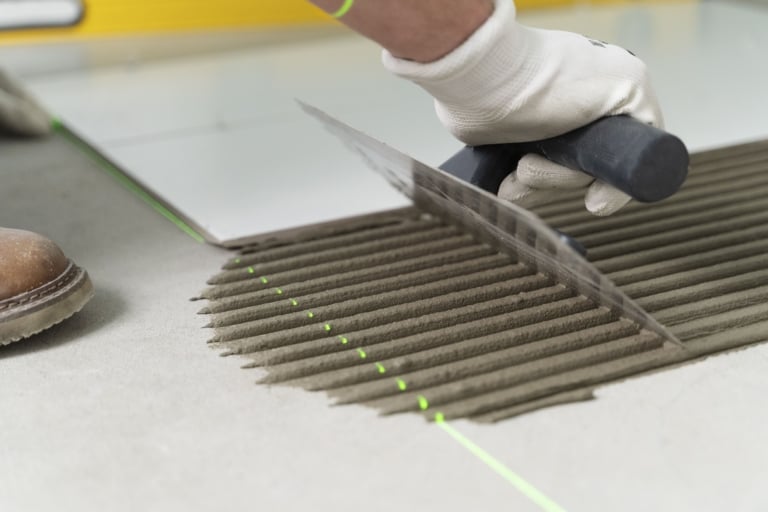
The slow part is tile. Each step has to firm up before the next can happen, and a detailed shower with small tiles can take the better part of a week. If your timeline ever runs long, tile is the usual reason.
Swapping a tub or shower also adds time depending on what you choose. A simple drop-in tub goes in quickly. A custom tiled shower is a project of its own and adds days to the schedule. None of this is a problem — it’s just the difference between a quick refresh and a true remodel, and it’s worth knowing before you fall in love with a design.
Does the Age of Your Home Change the Timeline?
It can, and this is something a lot of homeowners don’t think about until the walls are open.
Older homes — and there are plenty of them across the Chicago suburbs — were often built with plumbing and wiring that no longer meets today’s standards. When a crew opens the walls of a bathroom that hasn’t been touched in decades, they sometimes find old pipes that need replacing, wiring that has to be brought up to date, or water damage hiding behind the tile. None of that is unusual, and a good remodeler half-expects it. But it does add time, because the new bathroom can’t go in until the bones behind it are sound.
A newer home is usually more predictable. The plumbing and wiring are typically in good shape, so there are fewer surprises once the walls come open, and the project tends to track closer to the original schedule.
If your home is older, build a little cushion into your expectations. A timeline that assumes everything behind the wall is perfect can disappoint. One that leaves room for a surprise or two almost never does.
Does the Time of Year Matter?
A bathroom remodel happens indoors, so unlike a roof or a deck, the weather outside doesn’t stop the work. But the season can still affect your timeline in two quieter ways.
The first is materials. Around the holidays, suppliers and shippers slow down, and a special-order tile or vanity that normally takes two weeks to arrive might take longer. If you’re planning a winter-holiday remodel, order everything as early as you can.
The second is contractor availability. Spring and summer are the busiest seasons for home projects, so the best crews book up further out. A remodel in the slower months can sometimes start sooner simply because schedules are more open. The work itself doesn’t go any faster in January than in July — but the wait to begin might be shorter.
What to Decide Before the Work Even Starts
This is the step almost nobody warns you about, and it’s where timelines really stretch. The hands-on work might only be three or four weeks, but if you start picking materials the day the crew arrives, the whole project drags while everyone waits on deliveries.
Lock these in first
Layout (moving plumbing adds time)
Tile (the slowest step — order early)
Vanity & countertop
Tub or shower
Fixtures & finishes (faucets, lights, mirrors, hardware, paint).
Can You Use Your Bathroom During the Remodel?
If it’s the bathroom being worked on, plan on it being out of use for most of the project. That’s the honest answer.
How much that matters depends on your home. If you have a second bathroom, a remodel is a minor inconvenience — some noise and dust, but life goes on. If it’s your only bathroom, you’ll want a plan for the stretch when there’s no working toilet or shower, which is usually during the tear-out and the early wall work. Some homeowners arrange to stay elsewhere for those few days; others work out a temporary setup with their crew.
Either way, the messiest, most disruptive days are at the beginning. Once the walls are closed back up, the rest of the project is far quieter and cleaner than the first week.
What Slows a Bathroom Remodel Down
Most delays come from a short list of predictable things. Knowing them ahead of time is the best way to avoid them.
Waiting on materials is the big one — a special-order item that hasn’t arrived stops everything. Permit and inspection scheduling can add a few days depending on how busy your local office is. Changing your mind partway through — swapping a tile choice or moving a fixture after the work has started — resets parts of the schedule. And then there are the surprises behind the wall: older homes sometimes hide outdated plumbing or water damage that has to be fixed before the new work can go in. None of these mean a project has gone wrong. They’re just the realities of opening up a room, and a good crew plans for them.
Timeline Questions to Ask Before You Hire
A few simple questions up front will tell you a lot about whether a remodeler has thought through your schedule. Bring these to any contractor you’re considering:
- How many days, start to finish, do you expect my project to take?
- When do you need all my material choices made by?
- Will my project need a permit, and how long does inspection scheduling usually take here?
- What’s the part of this project most likely to add time, and why?
- If you find a surprise behind the wall, how do you handle it?
A remodeler who can answer these clearly is one who plans their schedules carefully. Vague answers are worth paying attention to.
How to Keep Your Bathroom Project on Schedule
The single most useful thing you can do is make your choices early and stick with them. Picking your tile, vanity, and fixtures before the work starts — and avoiding changes once it’s underway — keeps everything moving. Most avoidable delays trace back to a decision that hadn’t been made yet, or a material that hadn’t been ordered.
This is exactly how we approach scheduling at VD Remodeling: get every choice settled and every material on hand before day one, so the project runs start to finish without sitting idle. It’s the difference between a remodel that’s done right the first time and one that drags.
Frequently Asked Questions
A small full bathroom usually takes about two to three weeks of hands-on work. It isn’t dramatically faster than a standard bathroom, because the same steps still have to happen — there’s just less tile and less square footage to cover.
For a standard full bathroom, plan on about three to four weeks once the work begins. Add a week or two on either end for picking and ordering materials.
A larger remodel — especially one that moves the plumbing or changes the layout — typically runs four to six weeks, and a fully custom master bath can take longer depending on the amount of tile and detail.
A half bath is the quickest project, usually a little over a week to two weeks, because there’s no shower or tub to build.
Almost always because of materials that weren’t ordered early enough, permit scheduling, changes made partway through, or hidden issues found once the walls are open. Choosing everything before the work starts is the best way to prevent it.
Demolition is one of the fastest steps, usually just one to two days. It’s loud and dusty, but it goes quickly.
Not the one being worked on. If it’s your only bathroom, plan ahead for the first several days when there’s no working toilet or shower.
Usually, but not always. What drives the timeline most is the amount of tile and whether the plumbing is moving — not just the square footage. A large bathroom with simple finishes can move faster than a small one with a detailed tiled shower.